
COMMERCIAL HOT WATER PRESSURE WASHERS
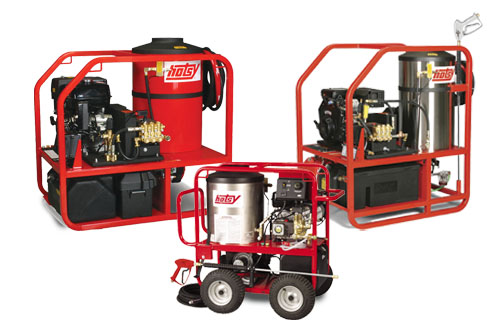
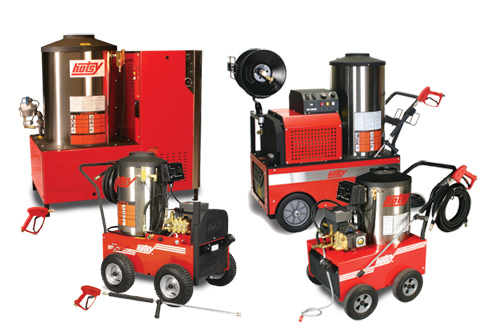

Tackle Your Toughest Cleaning Jobs With Hotsy’s Commercial Hot Water Pressure Washer in Houston, TX!
Are you grappling with relentless grease and stubborn oil stains? Do you find yourself spending precious hours scrubbing and scouring only to be met with mediocre results?
It’s time to put an end to these challenges with our commercial hot water pressure washers in Houston, TX. These powerful units are your ultimate weapon against the toughest cleaning jobs.
Experience the unmatched power of hot water cleaning and witness how effortlessly it breaks down and removes even the most tenacious grease and grime. Think about the relief of seeing your heavy-duty equipment, commercial buildings, or other investments gleaming like new in no time, all while saving you significant time and effort.
Reliability, efficiency, and effectiveness – Hotsy offers you not just a cleaning solution, but a seamless cleaning experience that sets you free from the shackles of rigorous, ineffective cleaning processes. Say goodbye to your cleaning woes and hello to a cleaner, more productive workspace. If you’re in the following regions, we’re eager to serve you:
- Houston
- Harris
- Fort Bend
- Montgomery
- Brazoria
- Chambers
- Liberty
- Waller
What Separates Our Commercial Hot Water Pressure Washers in Houston, TX From the Rest?
In a world overflowing with cleaning solutions, Hotsy of Houston stands apart. Our hot water pressure washers redefine efficiency, effectiveness, and reliability, creating an unmatched cleaning experience.
Find the Perfect Unit For Any Commercial Cleaning Needs
Maybe you need to clean road grime and engine grease on a commercial trucking fleet. Perhaps you’re in the food service industry and crude oil buildup has bogged down your workflow. Whatever your cleaning needs are, we’ve got you covered.
With over 80 distinct models in our lineup, including portable and stationary options, powered by either electric motors or gas engines, we ensure there’s a perfect match for your specific requirements. We even have commercial cold water pressure washers and pressure washer trailers. Find an array of styles and solutions to align with your business today!
And, by pairing your Houston pressure washer with our pressure washer detergent, you’ll unlock the most productive cleaning process yet.
Unparalleled Reliability & Longevity
With our commercial hot water pressure washers in Houston, TX, you’re not just getting a machine – it’s a long-term investment in quality and reliability.
With welded frames and rust-resistant polyethylene tanks, our hot water power washers are built to handle the dirtiest, most demanding jobs and last a lifetime. Our ETL-certified machines undergo rigorous testing, so you can feel safe and secure with our equipment.
We are so confident about our equipment that we back it with a 7-year warranty on the high-pressure pump and a 5-year warranty on the heating coil.
World-Class Customer Support Long After the Purchase
Hotsy’s commitment doesn’t end with your purchase. Our dedicated service team is always ready to support you, ensuring you get the most out of your pressure washer.
Whether that means visiting you on-site for emergency Houston pressure washer repair or getting you a replacement unit sent out while we work on yours, we do whatever it takes to minimize your downtime and maintain our relationship with you. With a full range of pressure washer parts stocked, we can get you back to cleaning in no time.
And, you can eliminate the stress of pressure washer problems with our scheduled maintenance program! We’re your trusted partner for all things commercial cleaning – whether you’re looking to buy or rent a pressure washer in Houston.
Explore the Full Range of Commercial Hot Water Power Washers For Sale in Houston, TX!
Below, you can explore the full Hotsy of Houston catalog to get a better idea of how we can serve you. But the best next step is to reach out to us directly or visit us in person so we can learn more about your needs and fill them with the perfect piece of equipment.
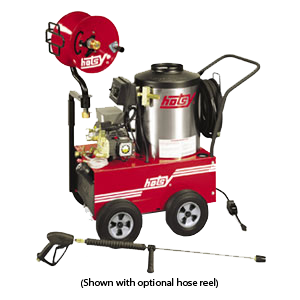
Hotsy 500 Series – our most popular series, powered by an electric motor and ideal for construction, manufacturing, trucking, or agriculture.
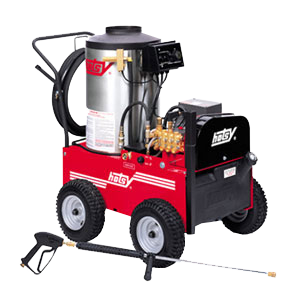
Hotsy 700 Series – another electric motor series that can either be oil-fired, LP-fired, or natural gas-fired. Choose from direct or belt drive. These are great for small businesses on a budget who need industrial cleaning power.
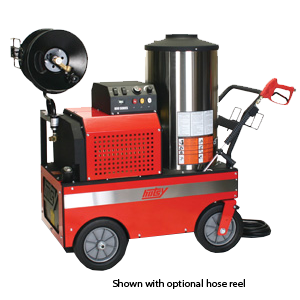
Hotsy 800 Series – enjoy easy maneuverability with the heavy-duty rubber tires and beefy casters on this series. Uses the reliable Hotsy Crossfire burner, and is oil-fired with an electric motor.
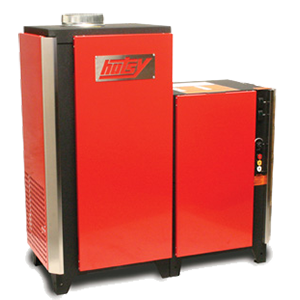
Hotsy 900 Series – this is a stationary cleaner with incredibly intuitive features such as programmable smart control, auto start/stop, time delay shutdown, and more.
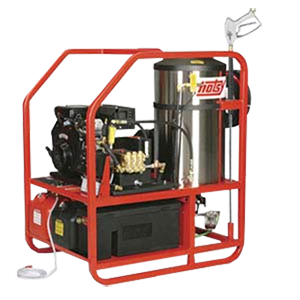
Hotsy 1200 Series – gas-powered, and provides hours of rigorous cleaning for those who want to mount the unit to a truck or trailer. All kinds of upgrades are available.
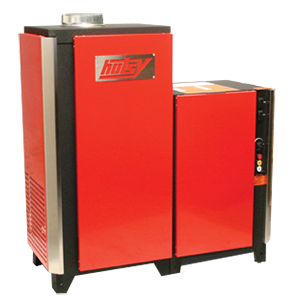
Hotsy 1400 Series – this was our first stationary washer, but it’s been redesigned to be safer and more innovative. It’s as programmable as the 900 series but offers more cleaning power.
Hotsy 1800 Series – if you’re looking for a unit for manufacturing or food processing facilities, this highly efficient indoor unit is perfect. Electric powered and natural gas-fired.

Hotsy 5700 / 5800 Series – this series is designed for wash bay cleaning and is built for multiple users at once to maximize efficiency.
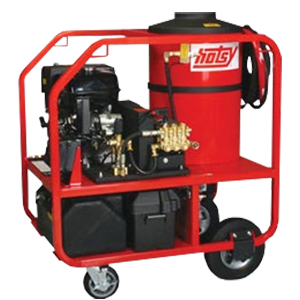
Hotsy Gas Engine Series – the gas engine series is all about power and versatility, offering powerful, portable cleaning anywhere. Can be converted to a skin unit, portable, or truck mount – use it however you see fit!
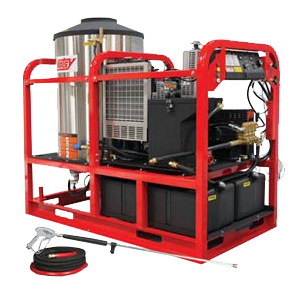
Hotsy HSS Series – powered by diesel, the HSS series is our biggest, most robust series for the toughest cleaning jobs out there. Great for trailer mounting, and produces up to 9.5GPM.
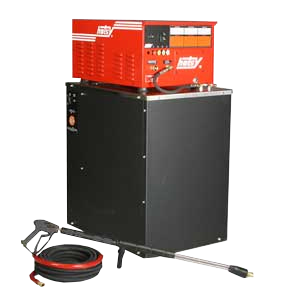
Hotsy HWE Series – if you prefer whisper-quiet cleaning – the HWE series is for you. Great for using indoors since it emits no fumes, which is why we see it used in manufacturing and food processing facilities.
It’s Time to Overhaul Your Cleaning Process: Get a Commercial Hot Water Power Washer at Hotsy of Houston Today!
Ready to revolutionize your cleaning regimen? Step up to the superior power and reliability of a Hotsy hot water power washer. Visit us or give us a call today to discover how Hotsy of Houston can elevate your cleaning process to a new level of efficiency and effectiveness.